Quality Assurance vs Quality Control: What Every Site Engineer Must Know
Understand the critical differences between QA and QC and how they ensure structural integrity on the construction site.
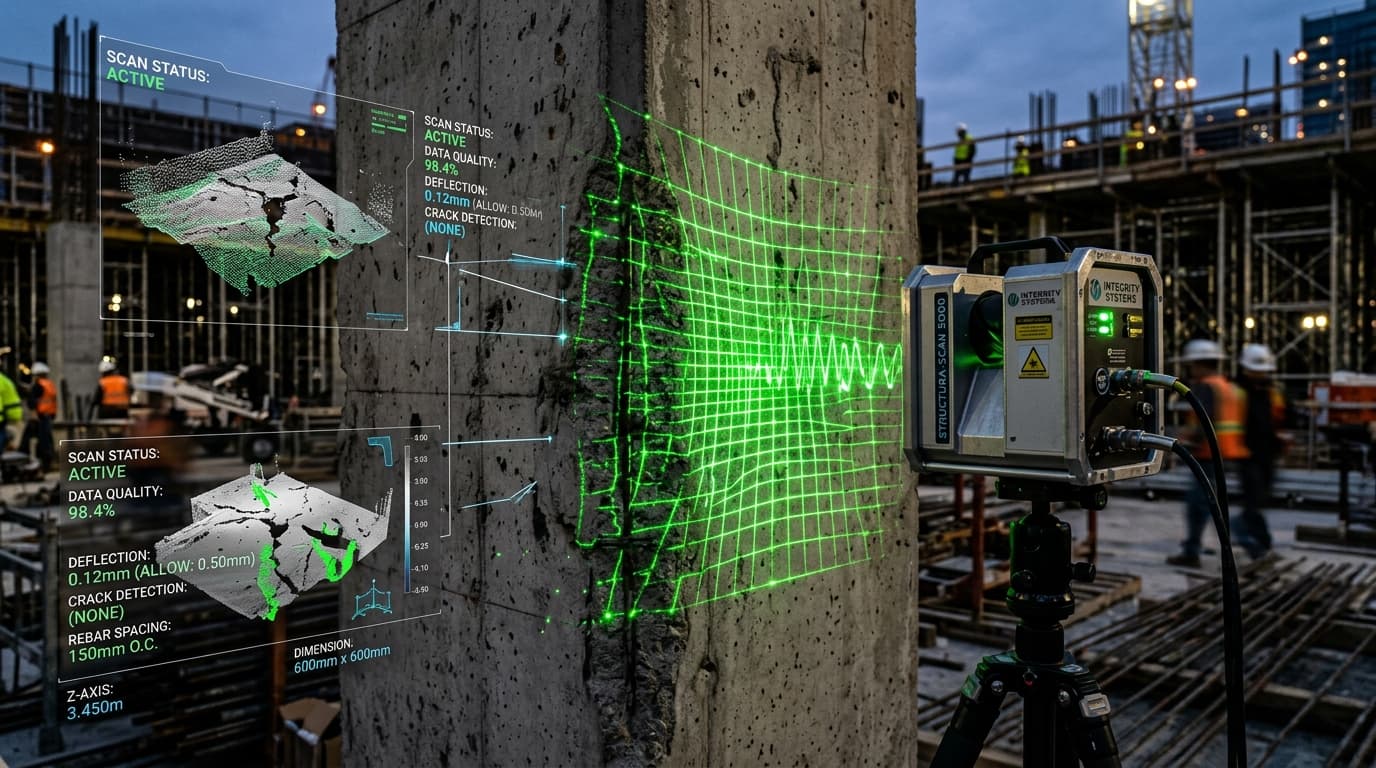
In civil engineering, the terms Quality Assurance (QA) and Quality Control (QC) are often used interchangeably, but this is a critical mistake. They represent two fundamentally different, yet complementary, approaches to ensuring structural integrity and project success.
Understanding the precise distinction between the two is not just academic; it is critical for any site engineer, QA/QC manager, or project director responsible for delivering safe, durable, and defect-free structures while protecting the company's bottom line.
Industry Fact: Proactive Quality Assurance can prevent up to 80% of potential site defects before physical execution even begins, saving millions in rework costs.
Quality Assurance: The Proactive Process
Quality Assurance is process-oriented. It focuses on preventing defects by establishing robust procedures, standards, and methodologies long before the concrete is poured or the steel is erected. QA is about answering the question: *Have we established the right processes to ensure this will be built correctly?*
- Method Statements (WMS): Drafting highly detailed, step-by-step plans outlining exactly how a complex task (like a mass foundation pour) will be executed safely and correctly.
- Material Approvals: Rigorously vetting all suppliers, reviewing mix designs, and testing raw material samples to ensure they meet contract specifications prior to bulk procurement.
- Training & Audits: Regularly training the site workforce on correct procedures and conducting internal audits to ensure the established QA processes are actually being followed on site.
Quality Control: The Reactive Product
Quality Control is product-oriented. It involves the physical inspection, testing, and measurement of the executed work to verify that it meets the required standards established by the QA process. QC is about answering the question: *Did we build it correctly?*
- Slump & Temperature Tests: Verifying the workability and heat of hydration of fresh concrete immediately before pouring.
- Compressive Strength Testing: Crushing concrete cubes or cylinders at 7, 14, and 28 days to confirm the actual structure achieved the theoretical design strength.
- Pre-Pour Reinforcement Inspections: Meticulously checking the spacing, lap lengths, chair placements, and clear cover blocks of reinforcement steel before the formwork is closed and signed off.
The Catastrophic Cost of Poor Quality
Failing to implement strict QA/QC protocols leads to honeycombing, severe structural cracks, water ingress, and in the worst cases, catastrophic collapse. Rework not only destroys a project's profit margins through wasted material and labor but also causes severe delays to the critical path.
Furthermore, delivering a defective building severely damages a contractor's reputation, making it exponentially harder to win future bids.
Deepen your understanding of site execution, material testing, and defect prevention with our comprehensive Quality Assurance & Quality Control program.